Water & Waste
$3.5M
Toowoomba Regional Council
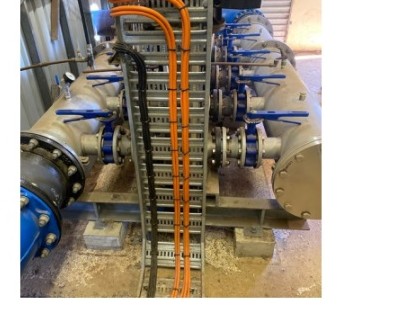
Condition Assessment
3-year condition assessment of TRC Water & Waste active and passive network assets to inform the Capital Renewal Program.


UNGANCO has delivered across Queensland with a focus on Water, Local Government, and Indigenous communities.
3-year condition assessment of TRC Water & Waste active and passive network assets to inform the Capital Renewal Program.
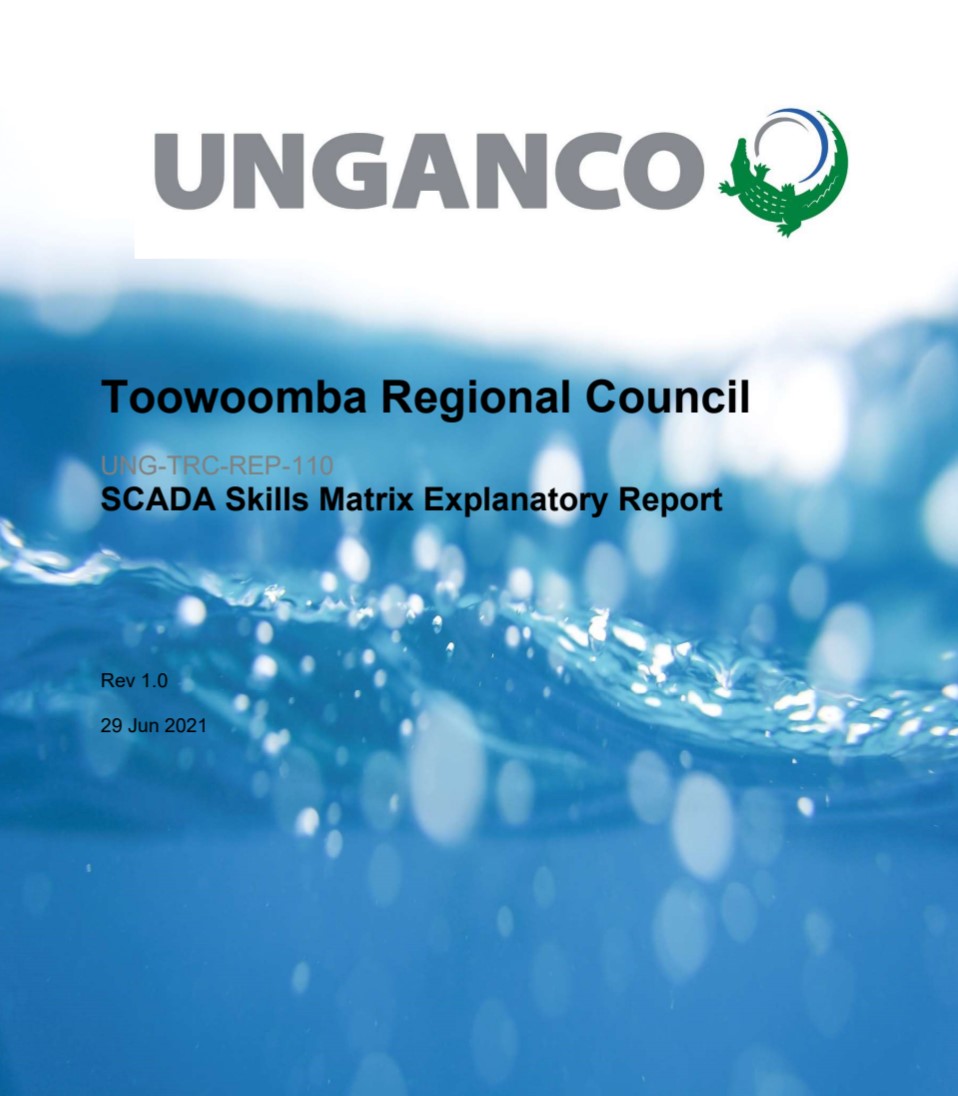
Panel of Providers established to redesign, procure, and commission the entire TRC SCADA and Telemetry network.
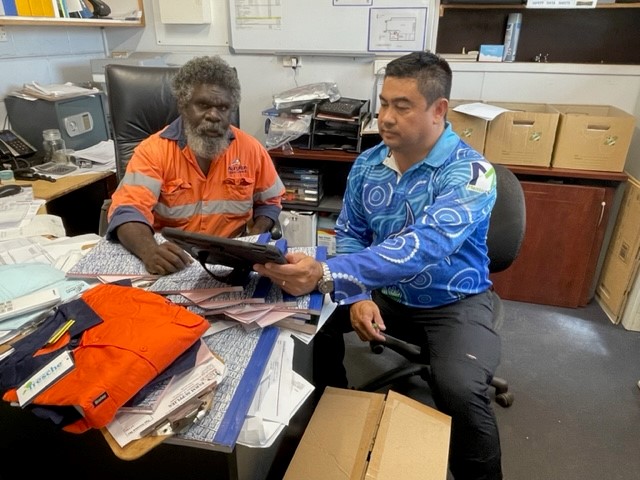
MentorAPM deployed across 7 Indigenous communities under the Preparing Australian Communities Grant. Asset management platform for disaster recovery and works management compliance.
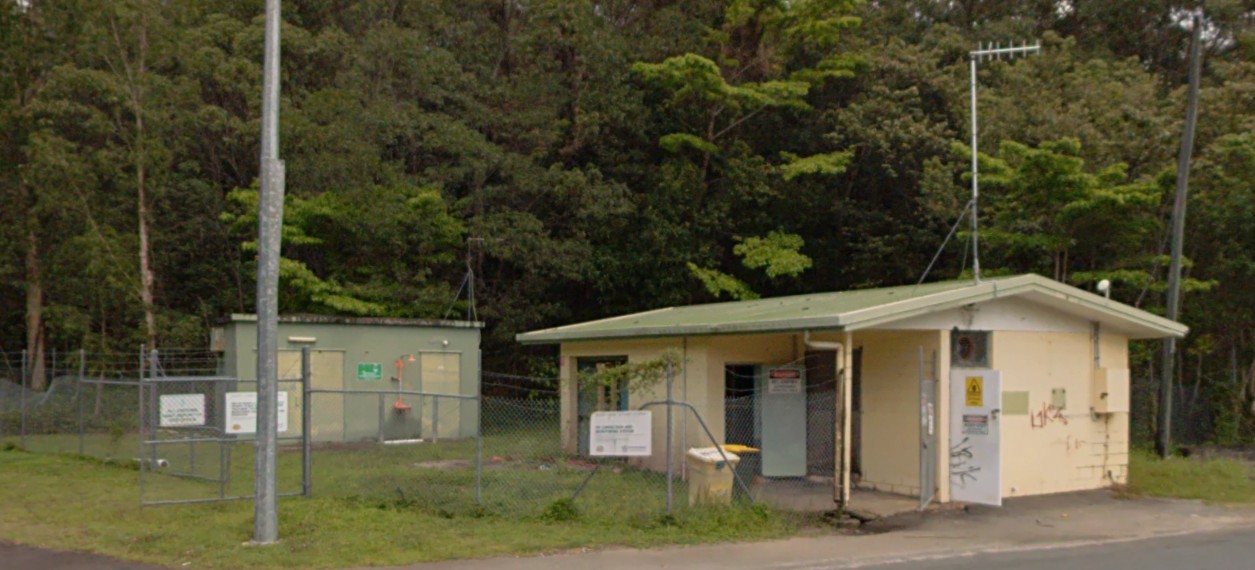
Indigenous-led design consultation ensuring local staff needs were embedded in the concept design for water treatment infrastructure.
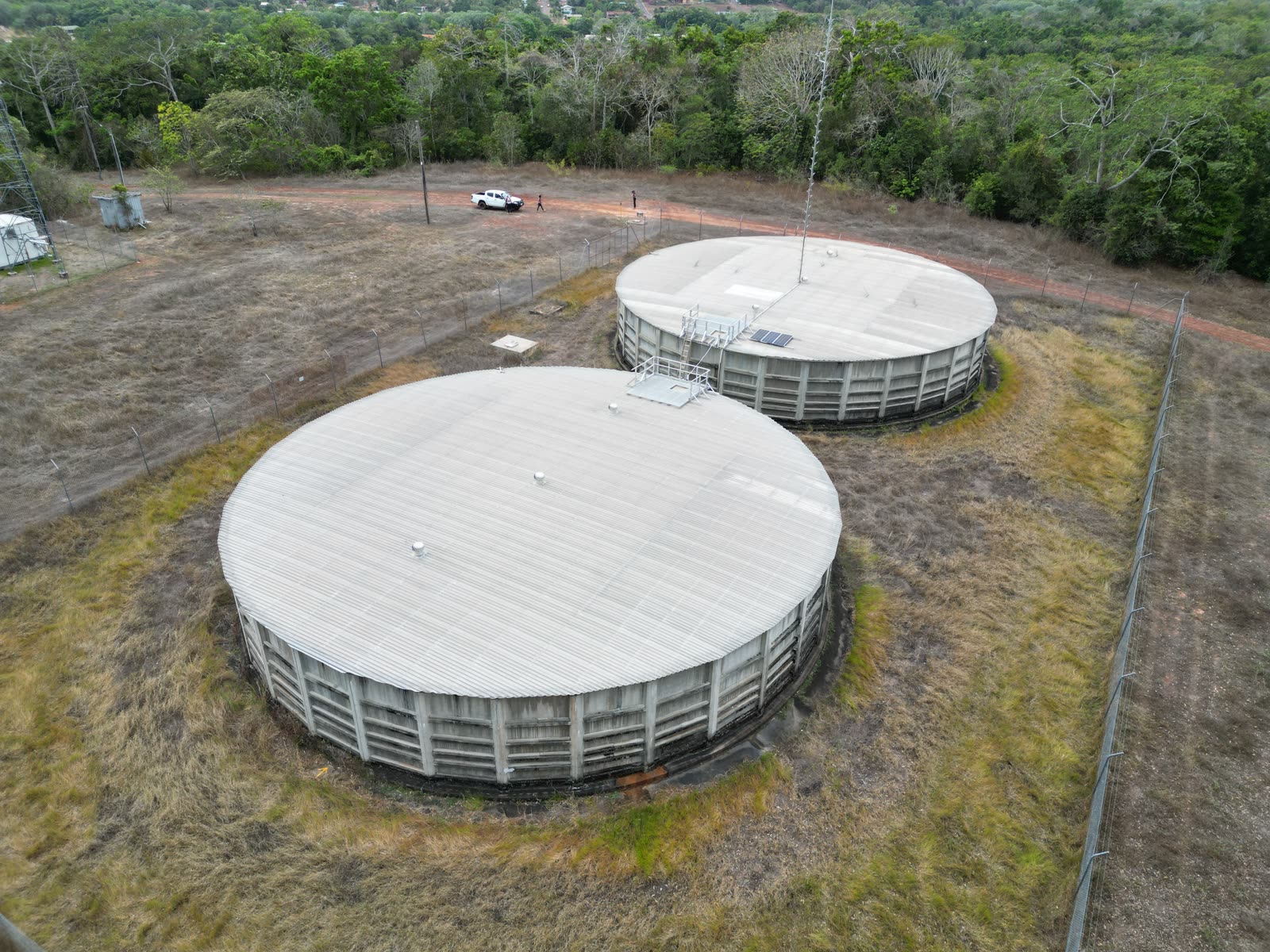
Water demand review across multiple Indigenous communities, Smart Meter deployment, and Strategic Asset Management Plan review for sewer networks.
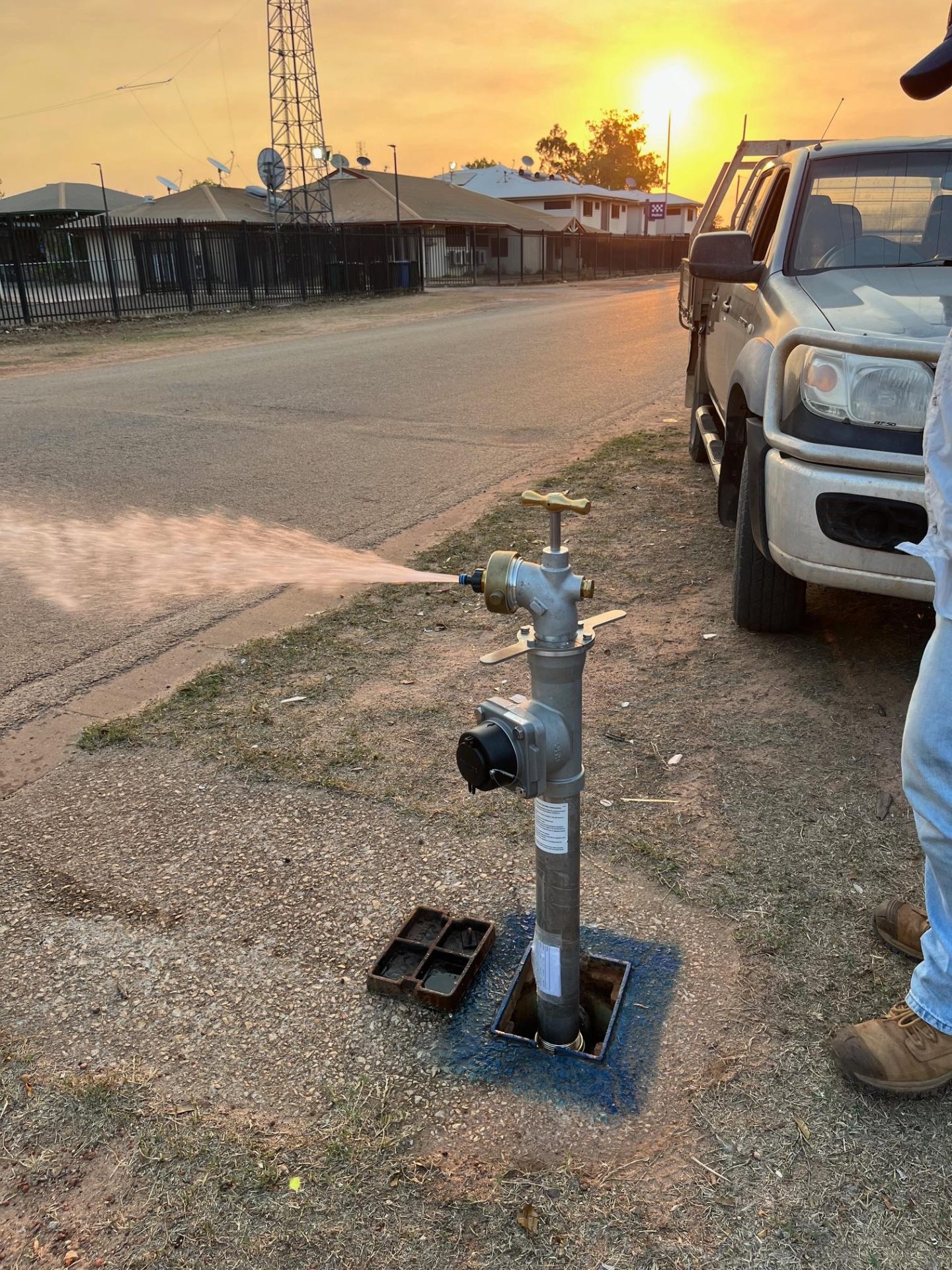
Identification and refurbishment of isolation valves and fire hydrants. Funded under Works 4 Queensland, employing local community members.
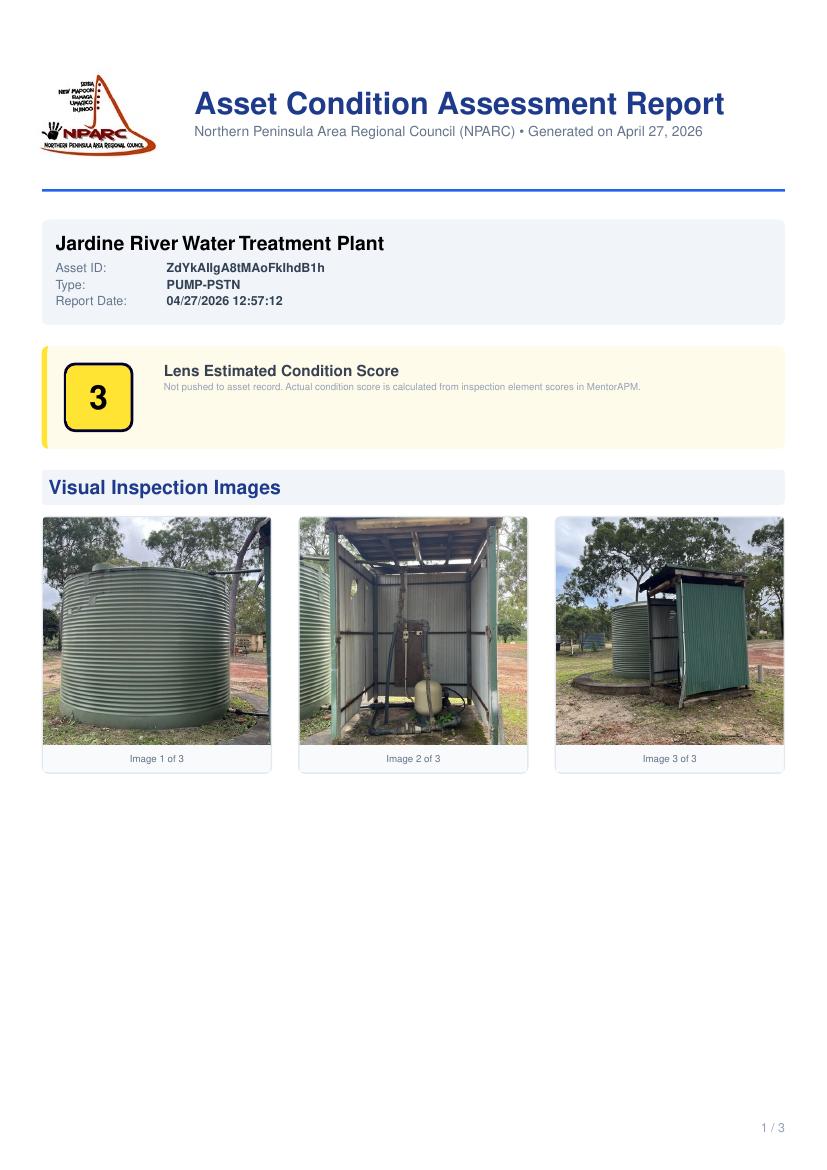
Northern Peninsula Area Regional Council — remote Jardine River infrastructure condition assessments covering ferry, generator, camp structures, fuel pumps and storage, house, kiosk, shower and laundry, and the water treatment plant.
MentorLens-driven condition assessment against a traditional consultant-led workflow across the same remote asset base.
On site, capturing an asset takes under a minute per item — a technician walks up with a mobile phone and photographs the asset. MentorLens then generates the full condition assessment report in 2 to 3 minutes.
A traditional consultant-led condition assessment averages around an hour per asset end-to-end once mobilisation, site photo handling, and manual report writing are factored in — with turnaround of a week or more, plus mobilisation costs when using external engineers in a tight labour market.
This isn't about replacing engineers. Qualified review remains critical to the process. It's about doing more with less at a time when an ageing workforce and a looming infrastructure renewal cliff make it hard to keep pace with traditional methods alone.
Thermal imaging drone surveys extend condition assessment into what the naked eye can't see — surface temperature differentials that reveal moisture ingress, delamination, electrical hotspots, and other sub-surface anomalies on structures like bridge soffits, roofs, and switchgear.
It's a complement to the MentorLens photo-based workflow shown above, not a replacement — the two data streams review together to give project teams a fuller picture of asset condition.